
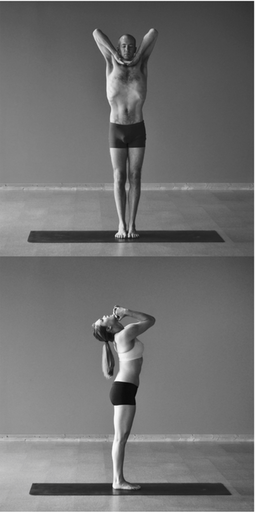
 INTENTION
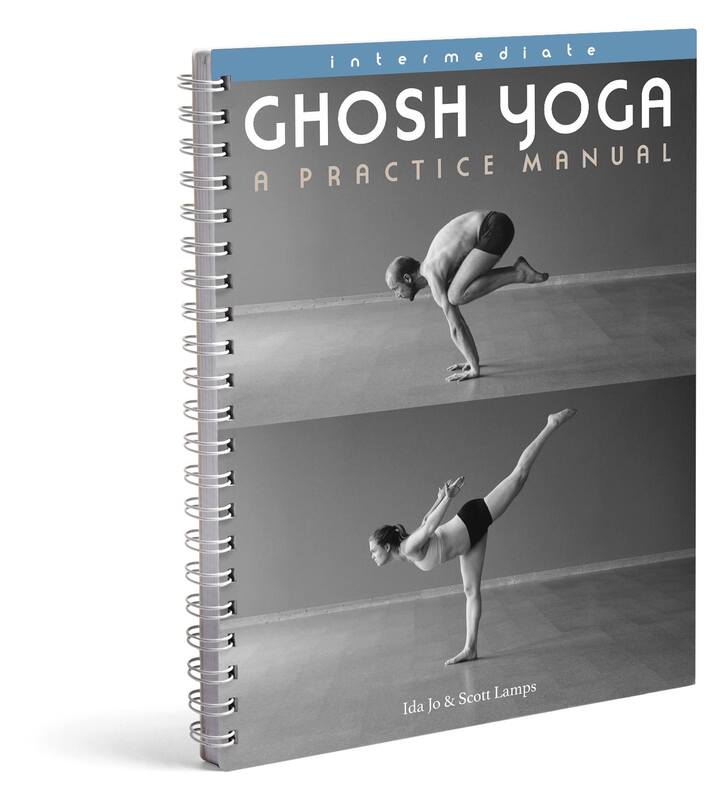
This exercise deepens the breath, expands the lungs and strengthens the breathing muscles in the chest. Use the lifting arms to stretch the ribs wide and help the lungs fill completely. Pull the belly in at the end of the inhale; it helps to isolate the muscles in the ribcage, making them stronger and opening the lungs. On the exhale, as the head drops back, stretch the chin up and away to get an even bend in the neck. The natural motion of the torso on an exhale is to contract. By extending the throat here we create tension and build heat in the body. Work to slow your breathing down. As a beginning student try for four to six seconds on both the inhale and exhale. As an intermediate try for eight, and as an advanced student ten. Start to develop the connection between breath and physical movement. It will bring about calmness and steadiness in your postures. Notice your body calming and thoughts slowing down as you progress through the exercise. Notice your focused and present state of mind. Learning simple breath control techniques like this can be used in stressful or emotional situations in your daily life. BENEFITS Any exercise that slows the breath will slow the heart rate, lowering the blood pressure and reducing stress. This exercise increases lung capacity and strengthens the breathing muscles in the chest. It also stretches the shoulders, hands and throat. Excerpt from the Ghosh Yoga Practice Manual - Intermediate
0 Comments
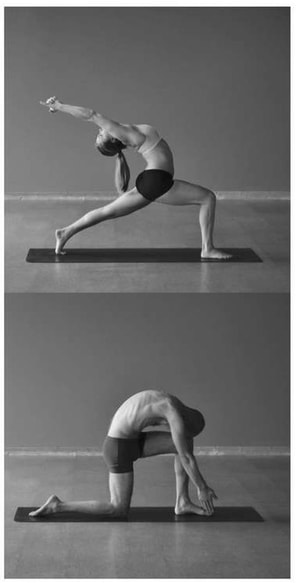 INTENTION
This short group of postures is our first movement after breathing. We bend the spine alternately forward and backward. The asymmetry in the lower body—one leg forward and one leg back—improves our balance and body awareness while opening the hips and lower back. Connect with the warming, strengthening and opening sensations. Try to be stable, though at first you may feel wobbly. Work to feel your spine bending evenly in the backbend and forward bend. Avoid any sharp sensation in the spine—it means you have gone too deep without support. BREATH In the backbends, the lungs are extended so the breath will feel shallow. Keep the breathing relaxed even though the breaths will be about 50%. In the forward bends the lungs are compressed as we engage the chest and abdomen. Focus on the breathing muscles on the backside of the chest. Breath will be about 60% in these positions, but it will feel much more relaxed than in the backbends. BENEFITS These postures make the spine exible, releasing the muscles of the deep spine and low back. They stretch and strengthen the shoulders, chest, back, pelvis, legs, feet and abdomen including the psoas. They improve balance. The forward bend compresses the intestines, stomach, liver, pancreas and throat, encouraging circulation in the digestive system and the endocrine system. An excerpt from the Ghosh Yoga Practice Manual - Intermediate 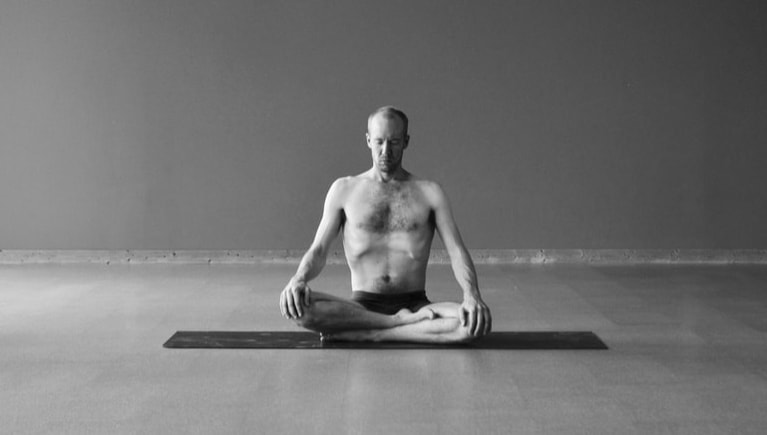 Once we are using the body to breathe fully and properly, we start to affect the depth and frequency of the breath. This does two things: It changes the chemistry of the blood, which has lots of impacts on the function of the rest of the body; and it begins to bring us in touch with our autonomic nervous system, the part that controls our sub-conscious breathing and heart rate.
OXYGEN & CARBON DIOXIDE You may hear people talk about "oxygenation" of the blood through deep breathing, but that is not really what happens. Due to something called the (nerd alert!) oxygen-hemoglobin dissociation curve, it is next to impossible to change the amount of oxygen in our tissues in any meaningful way. Hemoglobin---the protein that carries oxygen in the blood---holds on tighter to oxygen when there is less coming in through the lungs. When there is lots of oxygen coming in, the hemoglobin allows it to come and go freely. This results in a steady supply of oxygen to the cells and tissues of the body, regardless of how much we breathe. The real chemical element that changes when we do breathing exercises is carbon dioxide. When we breathe more than normal, we expel lots of carbon dioxide from our system, changing the chemistry of the blood. Less carbon dioxide makes the blood alkaline, resulting in a cascade of secondary effects in our nervous system, lungs and brain. We often feel it as "light-headedness." When we breathe less than normal---the ultimate goal of yogic pranayama practice---carbon dioxide builds up in our blood, making it acidic. This creates a similar but opposite cascade of effects in the nervous system, lungs and brain. It causes dilation of the vessels in the brain and the desensitization of the peripheral nervous system. We feel it as a calm (or even numb) body and an alert mind. Does that sound like meditation to anyone? Once we are aware of the effects of our breathing on our brain, we start to control it. This is when we enter Level 3, where the true practice of Pranayama begins. 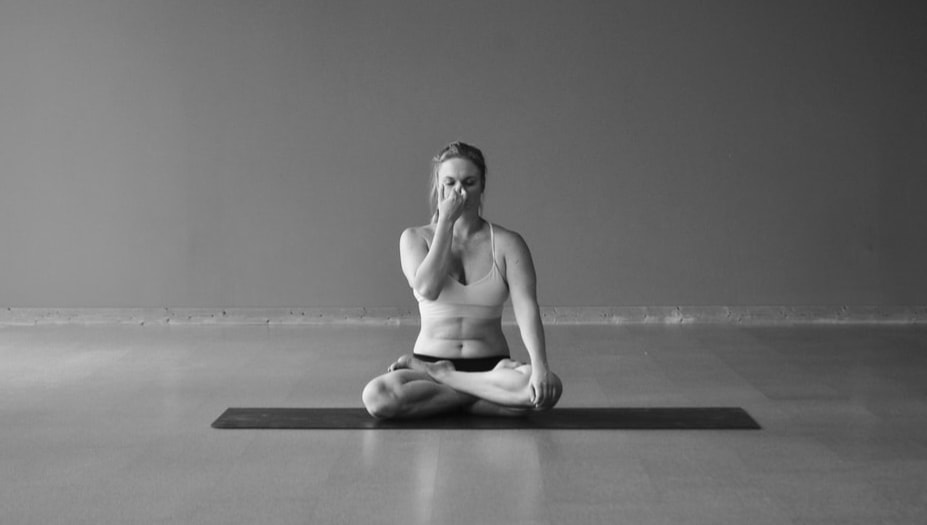 The first steps of learning Pranayama (breath control) are vitally important. They lay the foundation for the practices that follow. If we overlook these steps or learn them incorrectly, we carry bad habits into our Pranayama practice.
While laying the foundation, we aren't actually doing Pranayama. We are preparing the body and mind for what is to come. This mostly consists of understanding the way the body breathes, learning to control the muscles of breathing, and balancing the body and mind. HOW THE BODY BREATHES It is easy to overlook the way the body actually breathes, choosing instead for metaphorical images and oversimplified ideas of expansion and contraction. In truth, the body both expands and contracts on the inhale and exhale (what?!?!?!). Breath control lies in understanding, feeling and controlling these forces. BALANCING THE BODY, BRAIN AND ENERGY The other main element that prepares us for Pranayama is balance. Most of us are uneven in our nervous system, hemispheres of the body and brain, and therefore our focus and energy. We must balance these things before proceeding to Pranayama practice. These principles are the basis for our "Pranayama Level 1" class. We practice it at length during Practice Week, also moving into Level 2, which delves deeper into the chemical effects of breathing and the beginnings of true, traditional Pranayama. 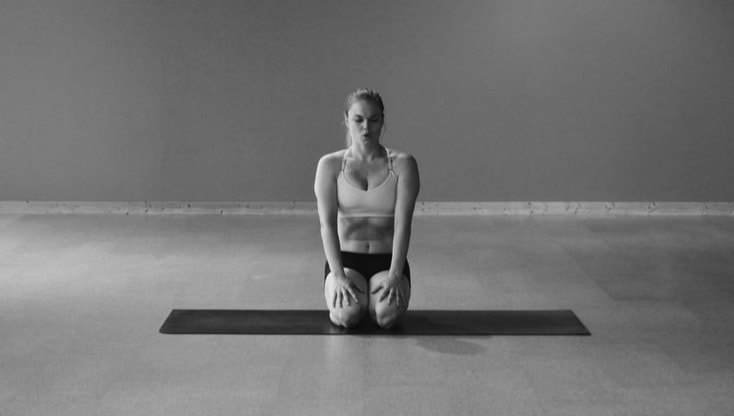 INTENTION
The focus of this breathing exercise is alternately relaxing and contracting the muscles of the abdomen. Keep the ribcage and shoulders as still as possible. This will be diffcult, especially as you become fatigued. This exercise removes carbon dioxide from the blood, so it is normal to feel a little dizzy. If you become moderately or significantly lightheaded, stop and rest while breathing normally. Then continue at a slower pace. BENEFITS This exercise strengthens the abdominal and lower back muscles. It reduces the carbon dioxide in the blood. NOTE This exercise is basically controlled hyper-ventilation. It reduces the amount of carbon dioxide in the blood, making it easier to hold the breath afterward, as your body returns to its normal oxygen-carbon dioxide balance. You may notice, after completing the exercise, that your breath becomes slow and shallow, perhaps even suspending altogether. Embrace this development, it is one purpose of the exercise. Stillness in the breath is an important landmark on the journey toward a still mind. An excerpt from the Beginning Ghosh Yoga Practice Manual. 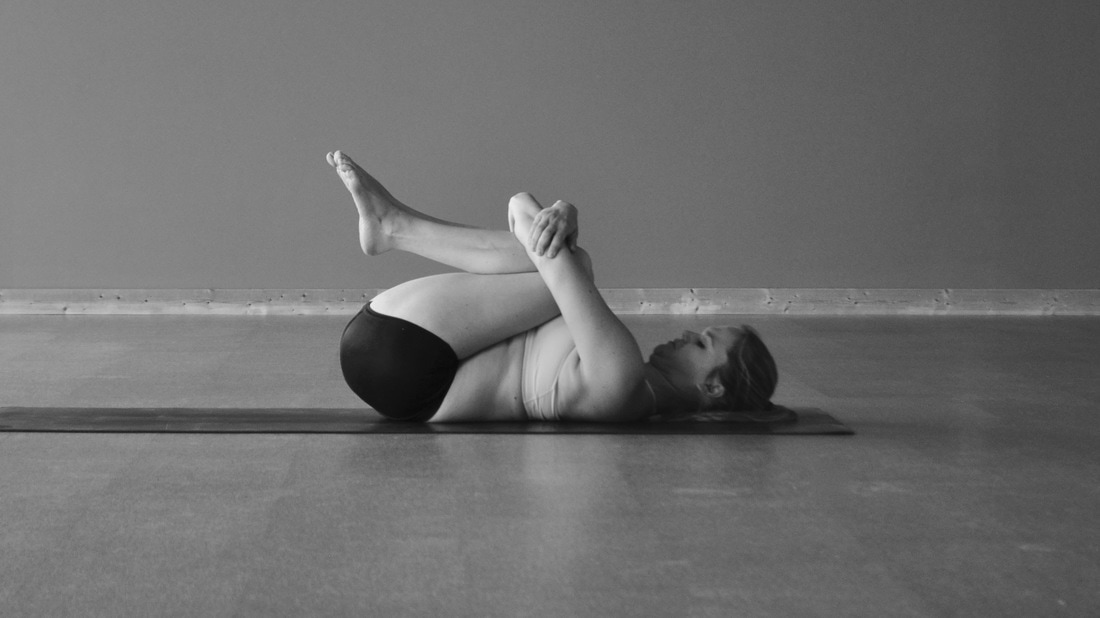 There are few postures more beneficial than Pavanamuktasana, Wind Removing Posture.
With the legs against the abdomen, pressure builds in the intestines, especially when we inhale. This massages the intestines and internal organs, promoting digestion, absorption of nutrients and smooth elimination. It also stimulates the parasympathetic nervous system, which lowers the heart rate, cools the body, and improves immune function and digestion. All in all, this posture is quite powerful in bringing health, balance and relaxation to the body. FOCUS ON THE BREATH It is easy to focus on the physical elements of the position: Pulling the knees tightly, stretching the hips and flattening the spine. But the greatest benefits of this posture all come from the breath. Focus on breathing "in the belly," pushing the diaphragm down toward the abdomen to create pressure there. Keep the abdominal wall relaxed so it can move in and out with each breath. Each breath will make the abdominal cavity bulge out - this is good! It is massaging the organs and intestines. TAKE CARE OF YOUR HIPS Believe it or not, this is one of the easiest postures in which to injure our hips. When we pull them tightly to the chest, the leg bone (femur) can bump against the hip socket (acetabulum), damaging the cartilage there. If you feel pinching or bone-on-bone contact in your hips in this posture, back off your effort. You don't want to damage your hips. Those are the instructions for Bhastrika, or Bellows breathing. It is an intense and fast breathing exercise that accomplishes two important goals of yogic breathing.
The first thing it accomplishes is removing carbon dioxide from the blood. We blow out CO2 faster than our body creates it, which is true of any hyperventilating breathing exercise, including Kapalbhati. Removing CO2 from the blood makes the blood alkaline, and can cause us to feel light-headed and tingly in the skin. After this practice, we can hold our breath for relatively long periods of time, bringing ourselves into a deeper form of stillness: stillness of breath. The other benefit of Bhastrika is the way it balances the autonomic nervous system. By utilizing both the abdomen and chest in the breathing (as opposed to Kapalbhati which uses only the abdomen) we alternately stimulate the sympathetic and parasympathetic nervous system. This helps balance the mind and prepare us for meditation. In the belly, in the chest. Out the chest, out the belly. 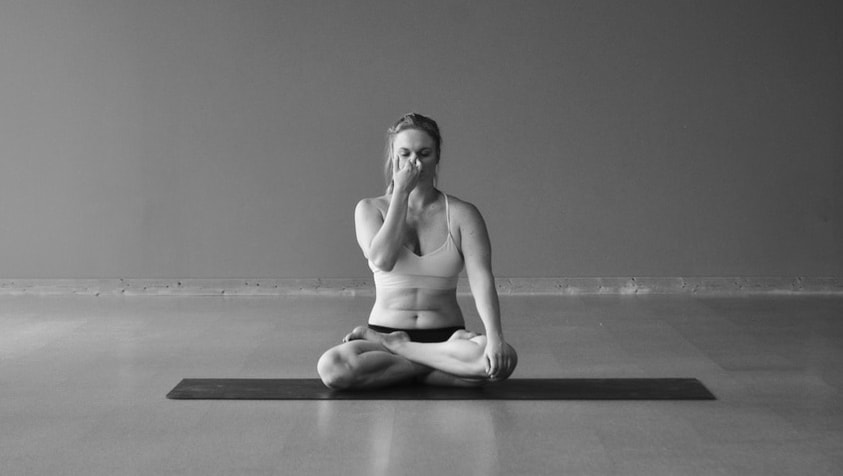 One of the oldest practices of Hatha Yoga is Alternate Nostril Breathing. It is often named Nadi Shodana, which means "purifying the channels", and its instruction dates back as many as a thousand years to the Yoga Yajnavalkya. It is arguably the most powerful breathing practice known in yoga. Modern medicine's understanding of the nasal cycle and an exciting new study uncover new meaning in this ancient practice. NASAL CYCLE Have you ever noticed that sometimes your right nostril seems clogged, and other times the left side does? Our bodies have a natural cycle called the nasal cycle that alternates breathing through each nostril. This helps balance the sympathetic and parasympathetic nervous systems and the body's temperature, as well as helping us smell and humidify the air we breathe. Sometimes we have a dominant nostril, usually because of congenital or accidental blockage of one of the nostrils, so our breathing might be dominated by one side. Studies have shown a correlation between nostril dominance and hemispheric dominance of the brain, meaning that one side of the brain is being stimulated more than the other. Also, it means that one part of the nervous system is being stimulated more than the other. When we alternate our breathing from one nostril to the other, we encourage balanced stimulation our autonomic nervous system, help regulate the temperature, stress and alertness of our bodies, and even out imbalances that may have developed over years. DR. BALASUBRAMANIAN A recent study by Dr. B (full name above) shows another exciting aspect of this ancient practice. The subjects in his study chanted and did Alternate Nostril Breathing for 10 minutes. They showed an increase in nerve growth factor (NGF) in their saliva, a chemical that our brain uses to build and repair connections. The reduction of NGF has been linked to Alzheimer's Disease, so it is possible that breathing practices such as Alternate Nostril may lower the risk of Alzheimer's. You can watch Dr. B talk about his study in the video below or read about it here. More research needs to be done, but it is exciting stuff. PURE ACTION Dr. B's study was funded by Pure Action, an organization in Austin, TX that supports many studies about yoga. They are bridging the gap between the ancient lore of yoga practice and modern medical science, something we think is vitally important to the health and growth of the yoga community. |
AUTHORS
Scott & Ida are Yoga Acharyas (Masters of Yoga). They are scholars as well as practitioners of yogic postures, breath control and meditation. They are the head teachers of Ghosh Yoga.
POPULAR- The 113 Postures of Ghosh Yoga
- Make the Hamstrings Strong, Not Long - Understanding Chair Posture - Lock the Knee History - It Doesn't Matter If Your Head Is On Your Knee - Bow Pose (Dhanurasana) - 5 Reasons To Backbend - Origins of Standing Bow - The Traditional Yoga In Bikram's Class - What About the Women?! - Through Bishnu's Eyes - Why Teaching Is Not a Personal Practice Categories
All
Archives
April 2024
|
 RSS Feed